Why limescale builds up in kettles
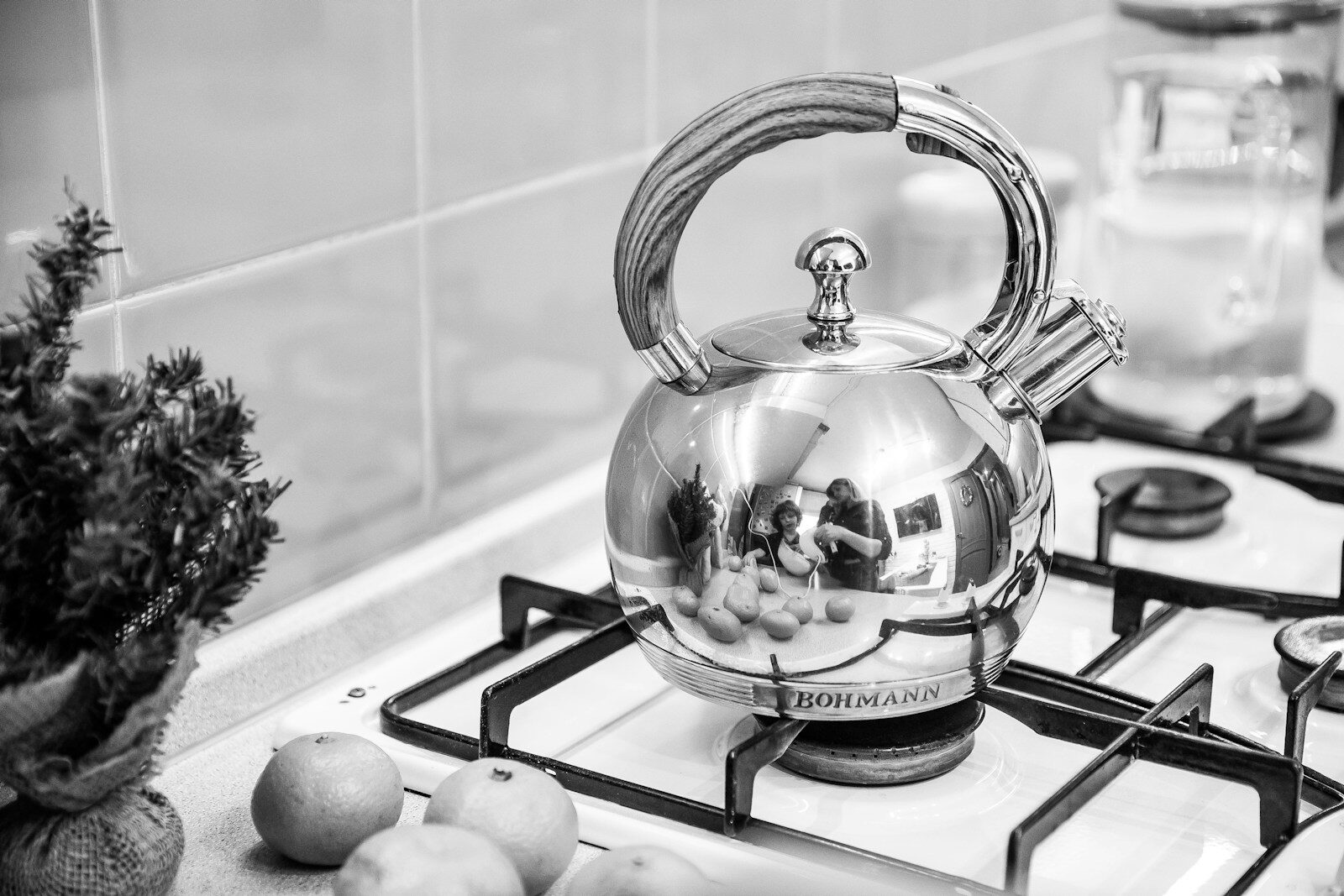
Limescale forms when water is heated, and minerals like calcium are left behind. Over time, this creates a white, chalky buildup inside your kettle.
This not only looks unpleasant but can also:
- Affect the taste of your water
- Reduce efficiency
- Shorten the lifespan of your kettle
Why this method works better
Many people use vinegar or lemon on their own, but combining them in the right way can be far more effective.
- Vinegar helps break down the mineral buildup
- Lemon helps neutralise odours and lifts remaining residue
Using them together — in the correct order — gives a deeper clean than either on its own.
Step-by-step method
Step 1: Add vinegar and boil
- Pour a small amount of white vinegar into the kettle (about 1 cup)
- Add enough water to cover the limescale
- Bring the kettle to a boil
Step 2: Add lemon juice and boil again
- While the vinegar is still hot, add fresh lemon juice
- Boil the kettle again
You may notice additional reaction and loosening of the residue
Step 3: Rinse thoroughly
- Pour out the mixture
- Rinse the kettle well with clean water
Step 4: Final rinse boil
- Fill the kettle with clean water
- Boil once more
- Pour out the water
This removes any remaining taste or smell
What makes this method so effective
- The heat helps activate the cleaning process
- Vinegar dissolves the mineral buildup
- Lemon cuts through lingering residue and improves smell
Together, they create a deeper clean than a single-step method
Helpful tips
- Do not overfill with vinegar — a small amount is enough
- Open windows if the smell is strong
- Repeat if the buildup is very thick
When to use this method
- When visible limescale is present
- Every few weeks for maintenance (depending on water quality)
Final thought
This simple combination is one of the most effective ways to clean a kettle naturally. It uses basic ingredients but delivers a noticeably better result than standard methods.