Jun 13, 2026 | Household Solutions
A fresh-smelling home creates a more comfortable and welcoming environment, but many commercial air fresheners simply mask unpleasant odours rather than dealing with the source. Some products can also contain strong fragrances that may not suit everyone.
Fortunately, there are several simple and affordable ways to naturally freshen your home using everyday ingredients and good household habits.
1. Use Baking Soda to Absorb Odours
Baking soda is one of the most effective natural deodorisers. Rather than covering up smells, it helps absorb and neutralise them.
How to use it:
- Place a small bowl of baking soda in the fridge to keep it smelling fresh.
- Leave an open container in cupboards or shoe cabinets.
- Sprinkle baking soda onto carpets, leave it for 15–30 minutes, then vacuum thoroughly.
Why it works: Baking soda helps neutralise acidic and alkaline odours, making it useful for a variety of household smells.
2. Improve Airflow Throughout Your Home
One of the easiest ways to keep a home fresh is simply to allow fresh air to circulate. Simple habits that helpOpen windows for a short period each day. Use extractor fans in kitchens and bathrooms. Allow sunlight into rooms whenever possible. Fresh air helps remove trapped moisture and lingering odours that often build up in closed spaces.
3. Freshen Fabrics With a Homemade Spray
Curtains, cushions, bedding and sofas can absorb smells over time. One homemade fabric freshener that has worked particularly well in my experience consists of:
- 1 teaspoon baking soda
- 1 capful of fabric softener
- Water to fill the remainder of the spray bottle
- Shake the bottle before each use and lightly mist fabrics to help remove odours and leave them smelling fresh.
Important tip: Avoid oversaturating fabrics and always test the spray on a small area first.
4. Use Lemon to Naturally Add Freshness
Lemons have a clean, fresh scent and can help remove unpleasant smells around the home. Ways to use lemonAdd lemon juice to homemade cleaning sprays. Place lemon slices in a bowl to provide a light fragrance. Use lemon to help remove odours from chopping boards and kitchen surfaces.
5. Prevent Moisture Build-Up
Damp areas are one of the biggest causes of unpleasant smells.
Areas to monitor:
- Bathrooms
- Laundry rooms
- Cupboards
- Areas behind furniture
Improving ventilation and drying damp areas promptly can help prevent musty odours from developing.
6. Keep Your Kitchen Clean
Food residue, grease and spills can quickly lead to unwanted smells.
Regularly cleaning Sinks, Countertops, Rubbish bins, Dishcloths, Drains can make a noticeable difference to the freshness of your home. A simple homemade kitchen cleaning spray made from vinegar, lemon juice, dishwashing liquid and water can be very effective for everyday cleaning.
7. Wash Bedding and Curtains Regularly
Soft furnishings often trap odours without us noticing.
Regular washing of Pillowcases, Bedding, Blankets, Curtains, and cushion covers helps maintain a fresher and cleaner living environment. Common Causes of Household Odours.
If your home does not smell fresh despite using air fresheners, consider these common causes:
- Moisture and dampness
- Full rubbish bins
- Dirty drains
- Pet bedding
- Carpets and upholstery
- Poor ventilation
Addressing the source of the smell is usually more effective than simply covering it up.
Final Thoughts
Keeping your home smelling fresh does not have to involve expensive products or strong chemicals. In many cases, simple habits and everyday ingredients can make a significant difference.
By focusing on cleanliness, airflow and natural deodorising methods, you can create a home that feels cleaner, healthier and more inviting every day.
Apr 13, 2026 | Household Solutions
Why make your own fabric spray?
Fabrics in the home can easily absorb smells from cooking, pets, or everyday use. While store-bought sprays can help, making your own is quick, affordable, and easy to customise.
This simple DIY fabric freshener helps remove odours and leave fabrics smelling clean.
Why this method works
This spray combines ingredients that each serve a purpose:
- Baking soda helps absorb and neutralise odours
- Fabric softener adds a fresh, long-lasting scent
- Water distributes the mixture evenly
How to make the spray
You will need:
- 1 teaspoon baking soda
- 1 capful fabric softener
- Water
- A spray bottle
Method:
- Add the baking soda to the spray bottle
- Add one capful of fabric softener
- Fill the rest of the bottle with water
- Shake well to combine
How to use it
- Lightly spray onto fabrics
- Allow to air dry
Where to use it
- Curtains
- Sofas
- Carpets
- Bedding
- Cushions
Helpful tips
- Shake before each use to keep ingredients mixed
- Use a light mist — avoid over-saturating fabrics
- Test on a small area first if unsure
What to avoid
- Do not spray directly onto delicate or dry-clean-only fabrics
- Avoid soaking surfaces
Final thought
This easy homemade spray is a quick way to freshen your home and keep fabrics smelling clean without relying on store-bought products.
Apr 13, 2026 | Cleaning Hacks
Why make your own kitchen cleaning spray?
Many store-bought cleaners can be harsh and expensive, especially when used daily. A simple homemade spray can be just as effective for everyday cleaning while using ingredients you likely already have.
This DIY spray is quick to make and works well on most common kitchen surfaces.
Why this combination works
Each ingredient plays an important role:
- Vinegar helps break down grease and grime
- Lemon juice removes odours and adds freshness
- Dishwashing liquid lifts dirt and oils
- Water dilutes the mixture for safe everyday use
Together, they create a balanced and effective cleaning solution.
How to make the spray
You will need:
- Vinegar
- Fresh lemon juice
- Dishwashing liquid
- Water
- A spray bottle
Method:
- Add a cup of vinegar to the spray bottle
- Add half a cup of lemon juice
- Add a quarter cup of dishwashing liquid
- Fill the rest of the bottle with water
- Shake gently to combine
How to use it
- Spray directly onto surfaces
- Wipe clean with a cloth or sponge
Where to use it
- Tiles
- Sinks
- Mirrors
- Windows
- Kitchen countertops
- General surfaces around the home
- Can even be sprayed into a greasy pan just before washing with warm water.
What to avoid
- Do not use on natural stone surfaces such as granite or marble
- Avoid overuse on delicate finishes
Helpful tips
- Shake lightly before each use
- Store in a cool, dry place
- Use a microfiber cloth for best results
Final thought
This simple spray is a practical, everyday solution that helps keep your kitchen clean using basic ingredients you already have at home.

Apr 13, 2026 | Kitchen Tips
Why vegetables wilt
Vegetables lose moisture over time, causing them to become soft and less fresh.
Simple method
What to do:
- Place vegetables in a bowl of cold water
- Add a few ice cubes
- Leave for 15–30 minutes
What this works for
- Lettuce
- Carrots
- Celery
- Herbs
Why this works
Cold water helps the vegetables reabsorb moisture, restoring their firmness.
Extra tip
Trim the ends of vegetables before soaking for better results.
Final thought
This simple trick can bring vegetables back to life and reduce waste.
Apr 13, 2026 | Kitchen Tips
Why garlic smell lingers
Garlic releases sulphur compounds that stick to the skin and are difficult to remove with soap alone.
Simple method
What to do:
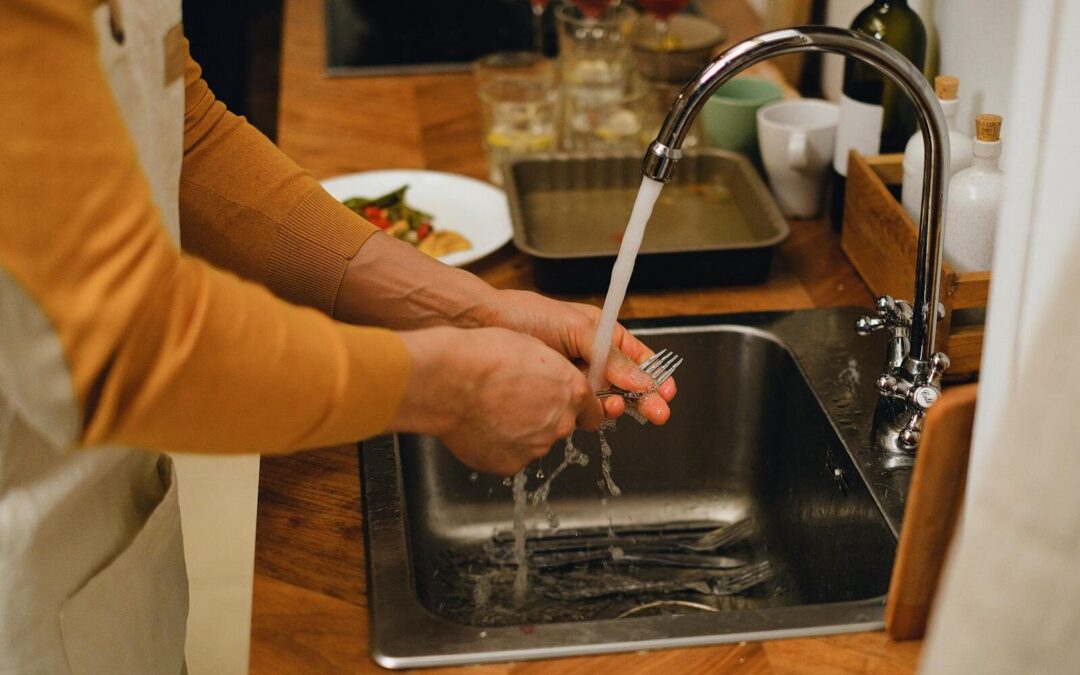
- Rub your hands on stainless steel (like a spoon or sink)
- Rinse with water
Why this works
The stainless steel reacts with the sulphur compounds, helping neutralise the smell.
Extra tip
You can also use lemon juice for additional freshness.
Final thought
This quick trick removes stubborn smells without needing special products.